
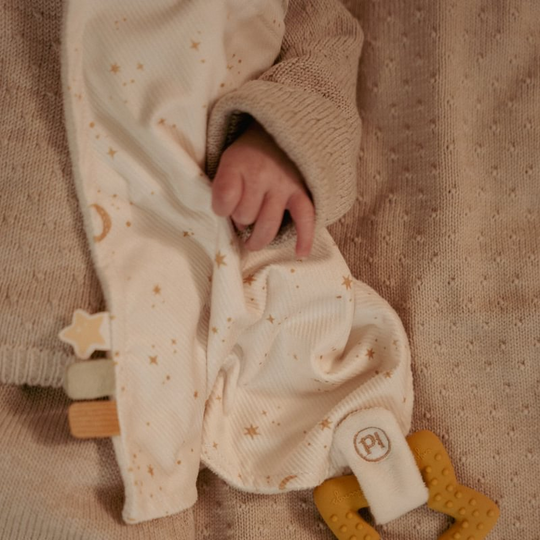

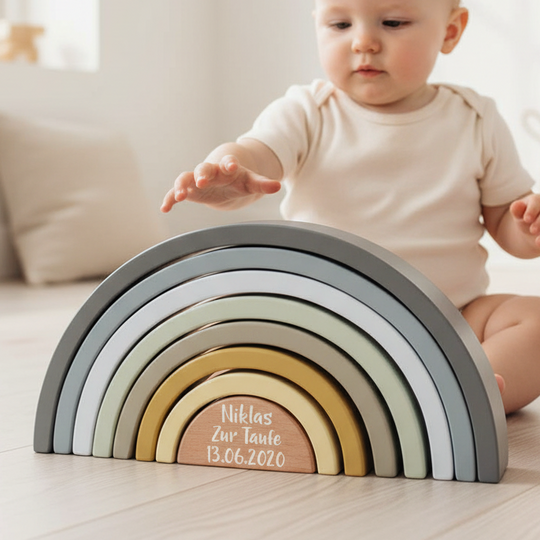






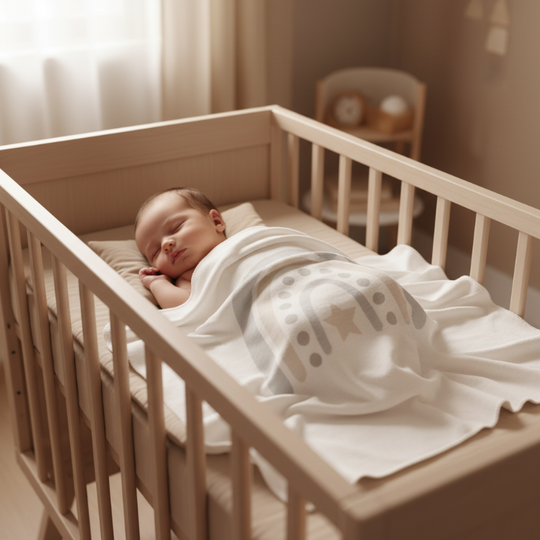

Rainbow baby blanket
A simple textile gift idea. Ask beforehand if there are already enough blankets.
View baby blanket
The short answer: A good postpartum visit is agreed upon, short, and helpful. Only come if you are healthy, wash your hands thoroughly upon arrival, do not expect to be hosted, and accept every no without argument. The most helpful visit is one after which the family has less work than before.
After a birth, family and friends want to meet the baby. At the same time, the new family needs time to recover, orient themselves, and bond. The postpartum period usually covers the first six to eight weeks after birth. During this phase, the body recovers, parents and baby get to know each other, and the new everyday routine has to settle in. Therefore: offer closeness, but do not demand it.
During the postpartum period, a lot changes at the same time. The person who gave birth is physically recovering, the family is getting to know the baby's signals, and sleep and meal times are often unpredictable. The public health portal gesund.bund.de recommends avoiding obligations and too many visitors. Family members, on the other hand, can provide concrete relief by doing the shopping and household tasks.
A visit is therefore not a social obligation. It is only appropriate if the parents really want it. Some families are happy to have familiar people early on, while others need more rest. Both are normal. What matters is not when others want to see the baby, but when the family has the capacity for it.
A helpful message could be: "I would love to see you and bring something to eat. Does a short visit fit this week? If not, that is completely fine." This way, the parents know what you are offering, and they do not have to justify themselves if it does not fit yet.
Avoid open questions like "When can I finally come?" or a spontaneous announcement. They create decision pressure. Better is a concrete time window with the express possibility of canceling at short notice. Babies do not follow a schedule; a difficult day is not a personal affront.
Say beforehand who is coming. One person is easier to plan than a whole family. Children can of course be welcome, but should also be announced. If the parents need rest right now, leaving food or groceries at the door can also be the better help.
Anyone who is sick or feels sick does not visit a newborn. This also applies to seemingly mild cold symptoms, fever, gastrointestinal symptoms, or an acute infection in their own household. A postponed visit is not a loss, but consideration.
After arriving, guests should wash their hands thoroughly. The Federal Institute for Public Health calls careful hand washing one of the central measures to reduce the risk of infection. Also keep smoke away from the baby and the apartment. If parents, midwives, doctors, or physicians recommend additional rules, these naturally take precedence.
There is no universal number of minutes. Plan the visit deliberately short and agree on a time window beforehand. Do not automatically stay longer just because no one asks you to leave. New parents are often too polite or too tired to initiate an end.
A good signal to leave is any change in the family rhythm: The baby becomes restless, wants to drink, one parent falls asleep or visibly gets tired, or a rest phase is approaching. A friendly "I'll be on my way again, you don't have to see me out" takes the pressure off.
Ready-made food, groceries, or a snack basket can be more valuable than an elaborate gift. Ask beforehand about preferences, allergies, and space in the refrigerator. Bring food ready to eat and labeled. A large container that needs to be washed and returned can quickly turn well-intentioned help into an additional task.
"Let me know if you need anything" is nice, but requires initiative from exhausted parents. More concrete is better: "Should I take out the trash, empty the dishwasher, or buy something on my way back?" Accept a no here too. Help should relieve, not take over control of the household.
Ask how the parents are doing without demanding intimate details. Listen instead of immediately giving advice. Comments about bodies, birth experiences, breastfeeding, feeding, sleep, or order in the home are usually out of place. Support does not mean judging the family.
Anyone who is still unsure what young parents need in everyday life will find a complementary overview in the guide "What do parents really need after birth?". For the right time for a gift, the article "When do you give a gift for birth?" helps.
Only after express consent. Hand the baby back immediately if a parent or the baby wants that. A no needs no explanation. Even with kisses, the parents' rules should apply; if in doubt, leave them out.
Photos are also private. Ask before taking a photo and again separately before sending or sharing an image. Permission for a photo is not automatic permission for WhatsApp groups, social networks, or family clouds.
Grandparents can be an enormous relief during the postpartum period. Especially helpful are reliable tasks: cooking, shopping, spending time with older siblings, or folding laundry. At the same time, decisions about visits, nutrition, sleep, physical contact, and photos remain with the parents.
Anyone who wants to care for the baby more often later can use the time together initially to get to know routines. The guide "Baby at Grandma and Grandpa's: Essentials for Grandparents" helps with preparation without buying unnecessary duplicates.
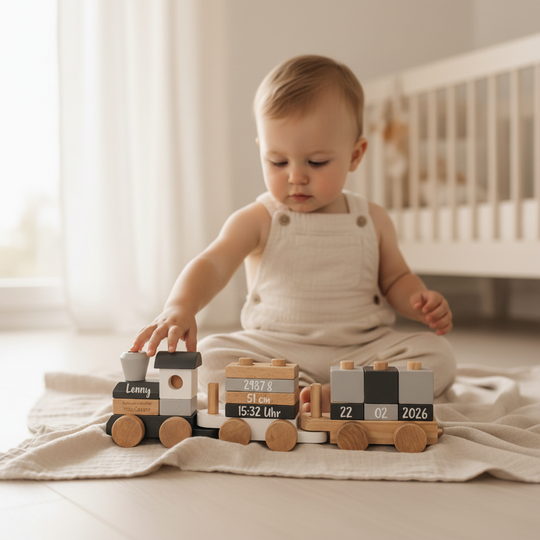
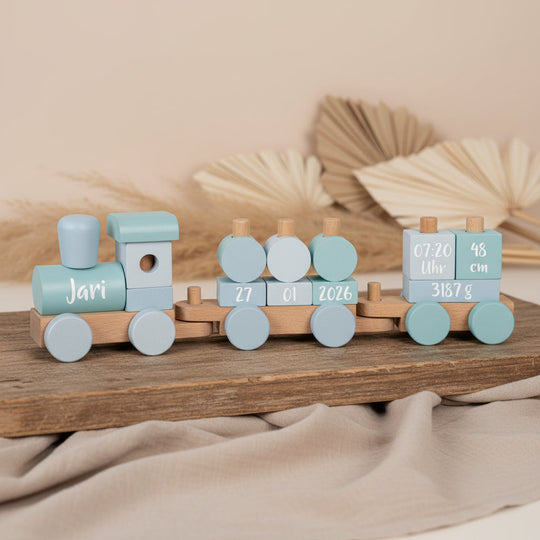
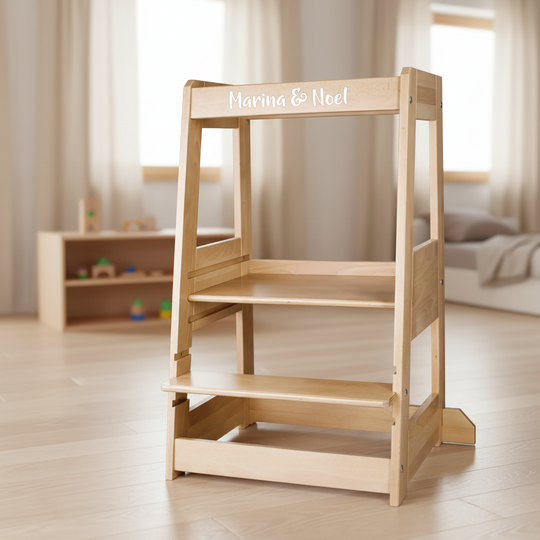
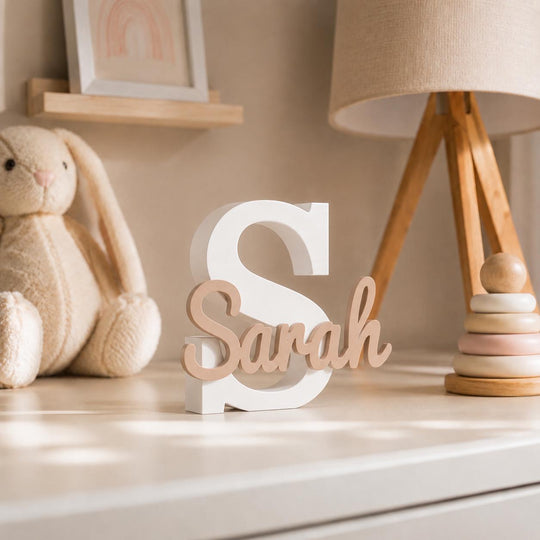
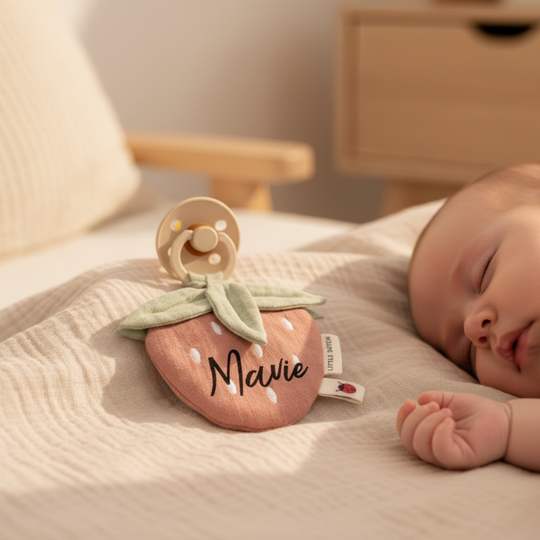
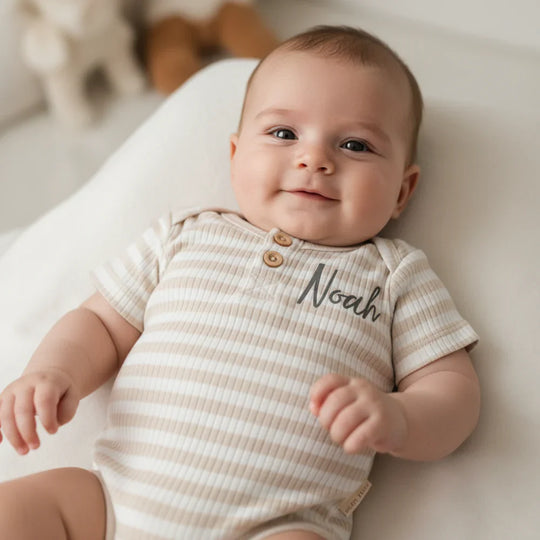
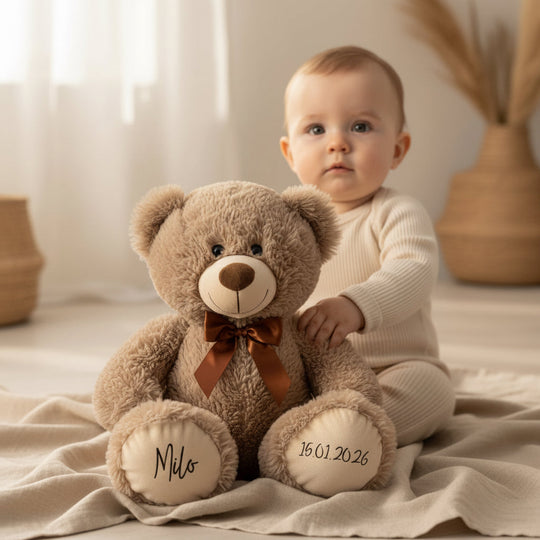
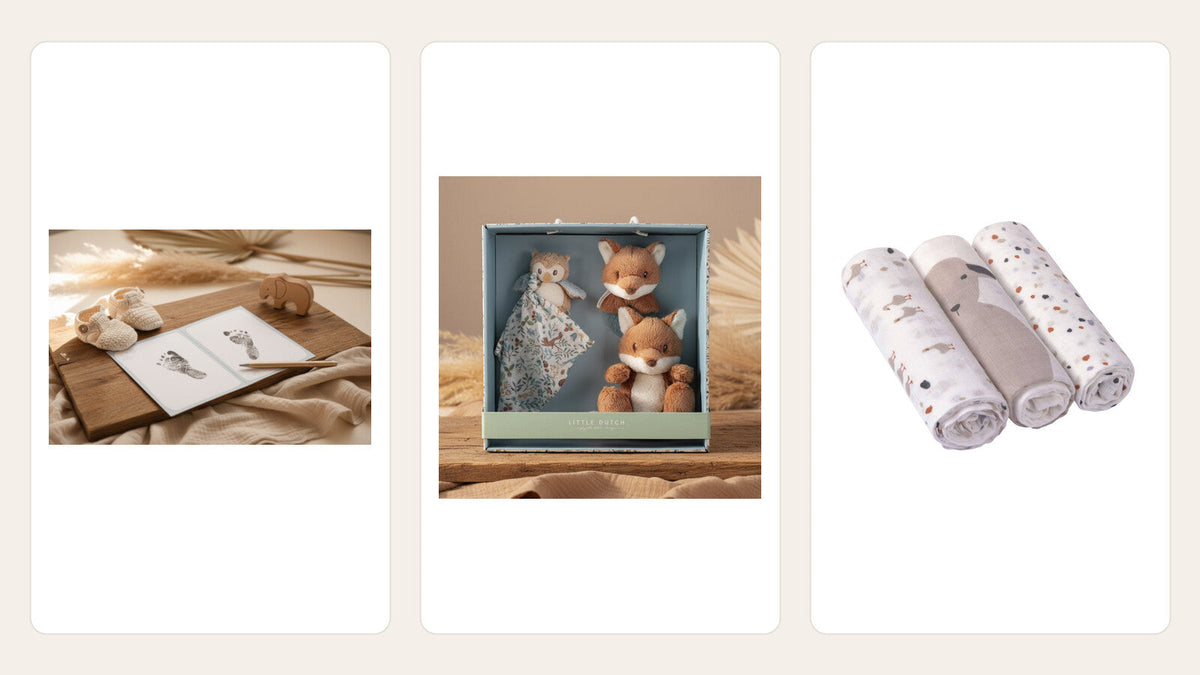
A gift is not an entry ticket to the baby. If you want to bring something, ask or choose something that does not require immediate use. The following products are currently available in the shop and complement the visit without replacing the informative core of this guide.
Discover customizable baby gifts
What should you consider when visiting during the postpartum period? Ask beforehand, only come if you are healthy, respect the parents' decisions, and deliberately keep the appointment short. A meal, groceries, or a small completed task is often more valuable than long conversation. Anyone who observes attentively, accepts boundaries, and leaves in good time gives the family what they need most right now: security, support, and peace.
No, a postpartum visit should always be coordinated beforehand. Even close relatives should make an appointment and accept a short-notice cancellation without questioning.
There is no fixed duration. Agree on a short time window, observe the situation, and leave on your own as soon as parents or baby need rest.
Postpone the visit. This also applies to mild symptoms or an acute infection in your own household. If in doubt, the parents should ask their midwife or medical practice.
The most practical are agreed-upon food, a small shopping trip, or concrete help. A baby gift is optional and should ideally not create a new task or immediate space requirement.
Only if the parents expressly offer or agree. The baby is returned immediately as soon as parents or baby want that.
Only after prior consent. For forwarding or publishing, separate permission from the parents is needed.
Grandparents help especially through reliable, concrete tasks: cooking, shopping, doing laundry, or looking after older siblings. The parents' decisions about the baby and visits remain decisive.


